Sunday, July 19
Travel time: 2 hours 15 minutes
Distance: 135km
Destination: Reykjavik
I celebrate the halfway point of our trip by doing some laundry. Hand washing, since none of the houses we booked have washing machines, a throwback to the days of rationing or the gites Dad used to book by phone, which tended to have plenty of authentic French rural character but were less blessed with mod cons. One had a wasps’ nest underneath the table on the balcony, which we only discovered after we’d been having breakfast on it every morning for a fortnight, wondering why we were constantly plagued by aggressive wasps.
It’s also the point in a holiday when time starts to accelerate. The first few days are blissfully relaxed as you cast off the stresses of home, catch up on your sleep and settle into your surroundings. The long days stretch ahead invitingly, with all the plans you made before setting out still awaiting you but now enticingly within reach, like unwrapped presents beneath the Christmas tree. By the 48-hour mark it feels as if you’ve been away for weeks. But in the second week the home stretch starts to loom on the horizon. Your days are still relaxed but there is an urgency, a need to get things done before the routine of home reclaims you, that wasn’t there before. As somebody who recently turned 50 the significance of the metaphor has not escaped me.
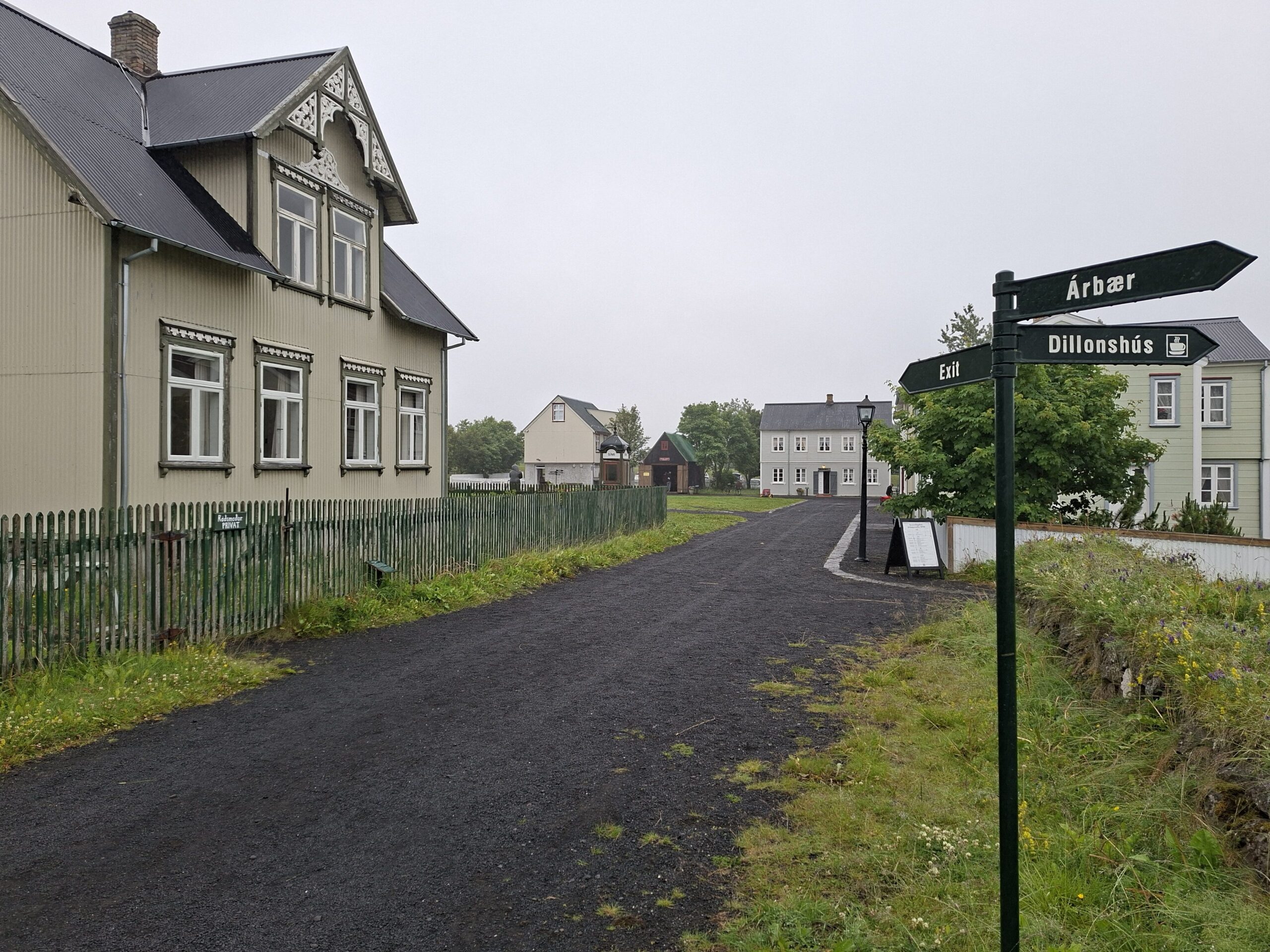
The glorious sunshine of the first few days has been well and truly banished. After lunch we head in to Reykjavik; the skies are overcast when we leave, but by the time we get to the Árbær open-air museum on the outskirts of the city a light smirr is making our clothes cling to us. Open-air museums are a good way to experience how people really lived in places in the days before tourism brought the world to their threshold, and the one in Reykjavik is exceptional. Unlike many museums of its type, almost nothing in the houses is off-limits: you can clamber up and down staircases, explore bedrooms, living rooms and kitchens, and examine stacks of letters written in elaborate cursive script that is probably barely legible now even to people who understand Icelandic.
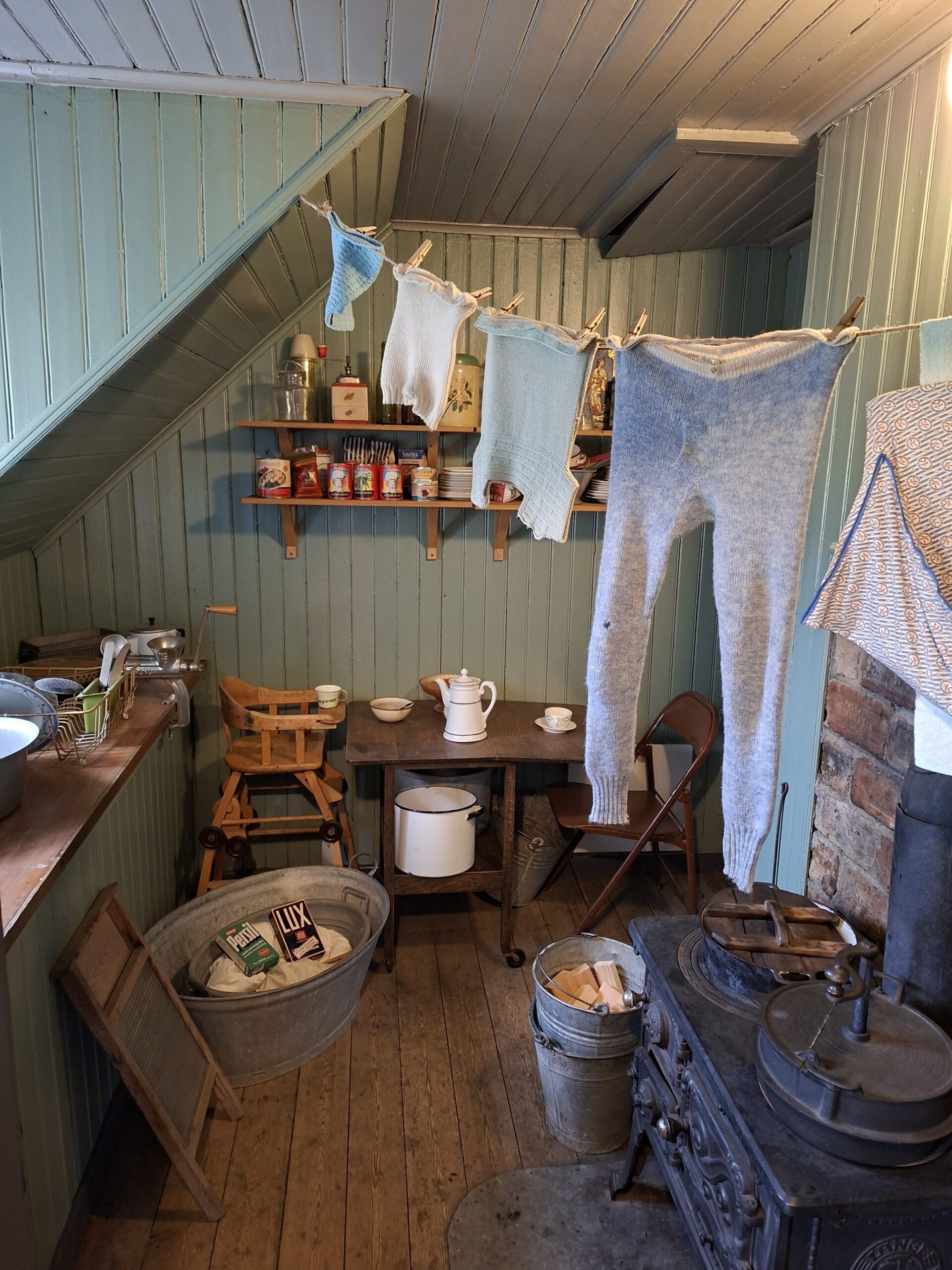
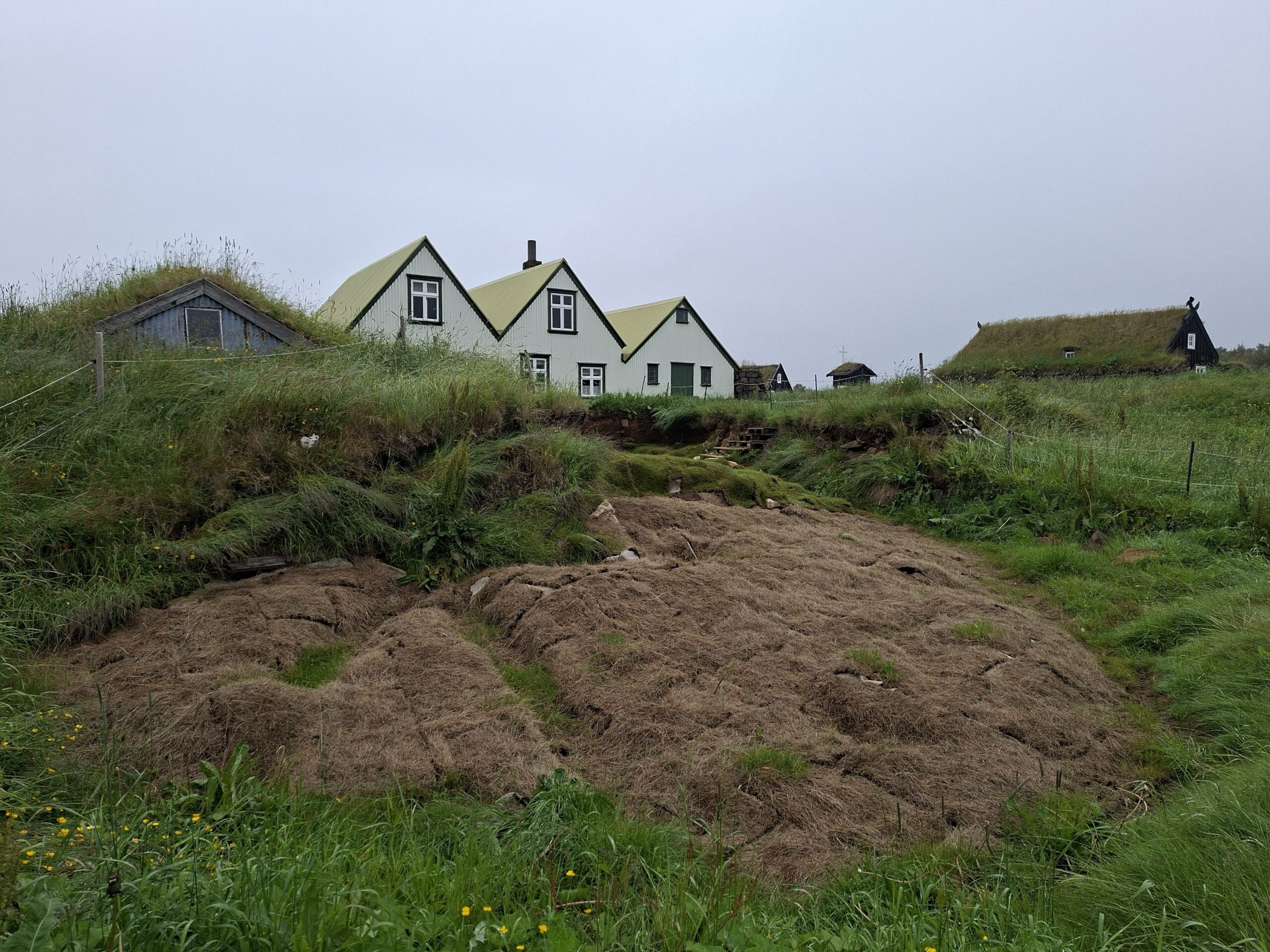
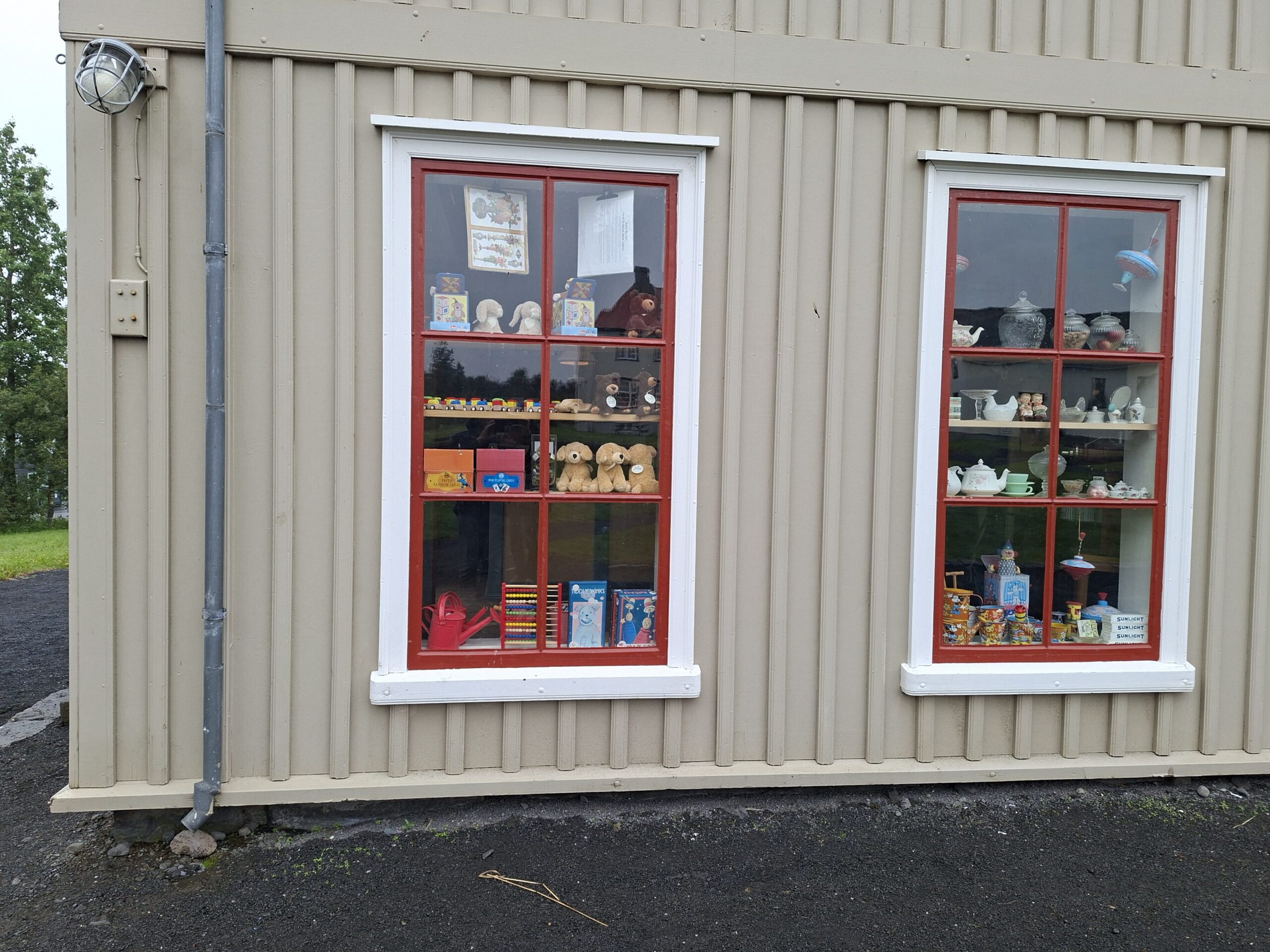
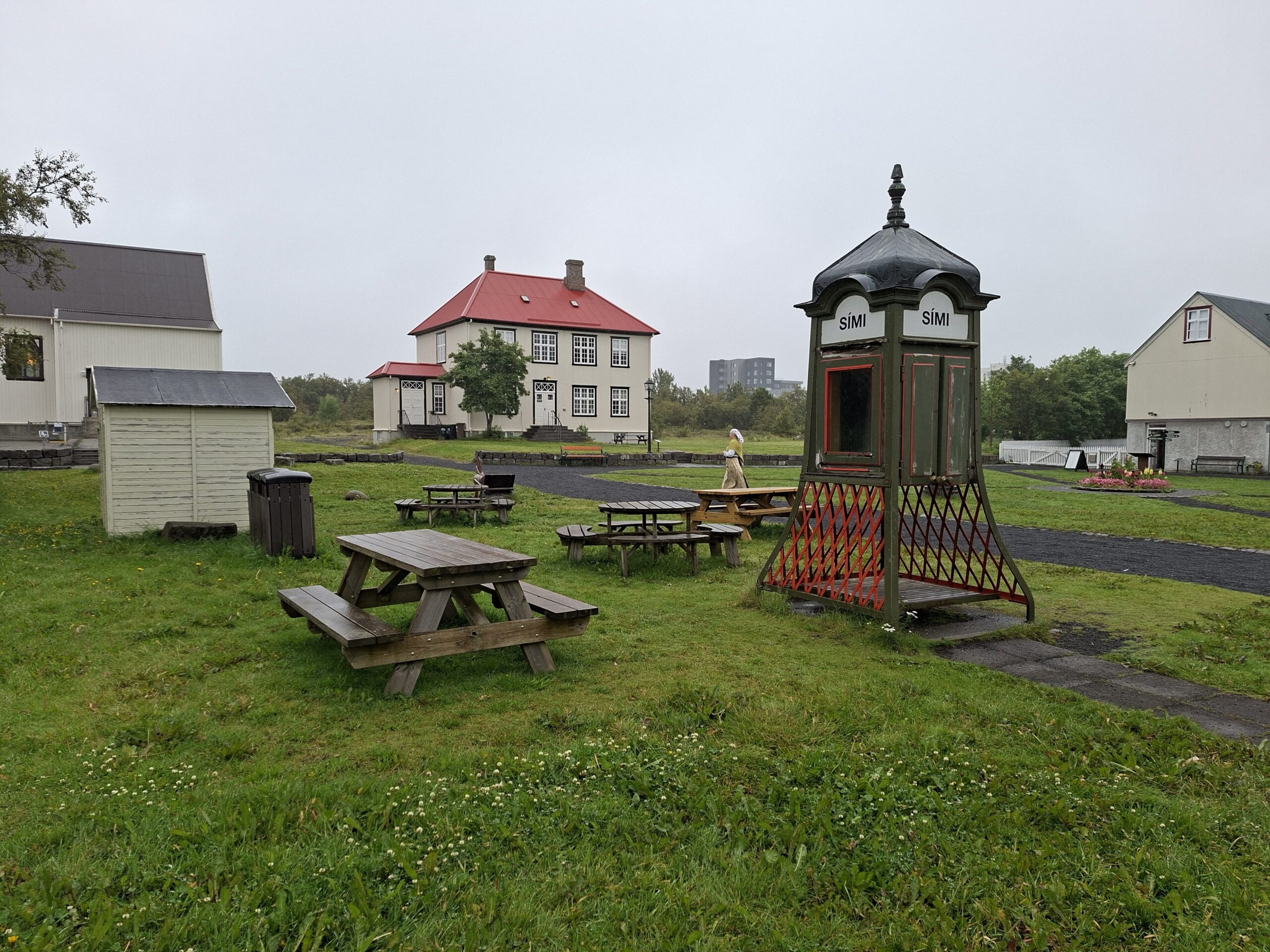
The guides wear traditional dress and are full of information about Iceland’s rapid modernisation in the first half of the last century. A woman sitting crocheting recounts how people lived in turf houses right up until the 1950s. Her grandmother, now in her nineties, could recall waking in the morning and finding her blanket frozen solid against the damp wall of her bedroom. What changed, she explains, was the war: American and British soldiers built an airport, roads and infrastructure that the civilians continued to enjoy after the occupying forces had gone home. “The war really brought a lot of good things for us,” she says, almost apologetically. The real question, of course, is not so much “how did the war benefit Iceland?” as “how else could they have obtained these advances without the need to slaughter millions of people in the process?”
We go on to the city centre, hoping to explore on foot, but the drizzle has set in by now and the harbour area is a grey blur. The greyness of many of Reyjkavik’s buildings does nothing to lift the mood. The Icelandic tourist board, in a cute piece of PR, recently challenged visitors to try to take a bad photograph of their country. But really, it’s an easy task: simply wait for the Icelandic weather to set in, then go out and snap bewildered tourists traipsing about in the cold, unrelenting July rain.
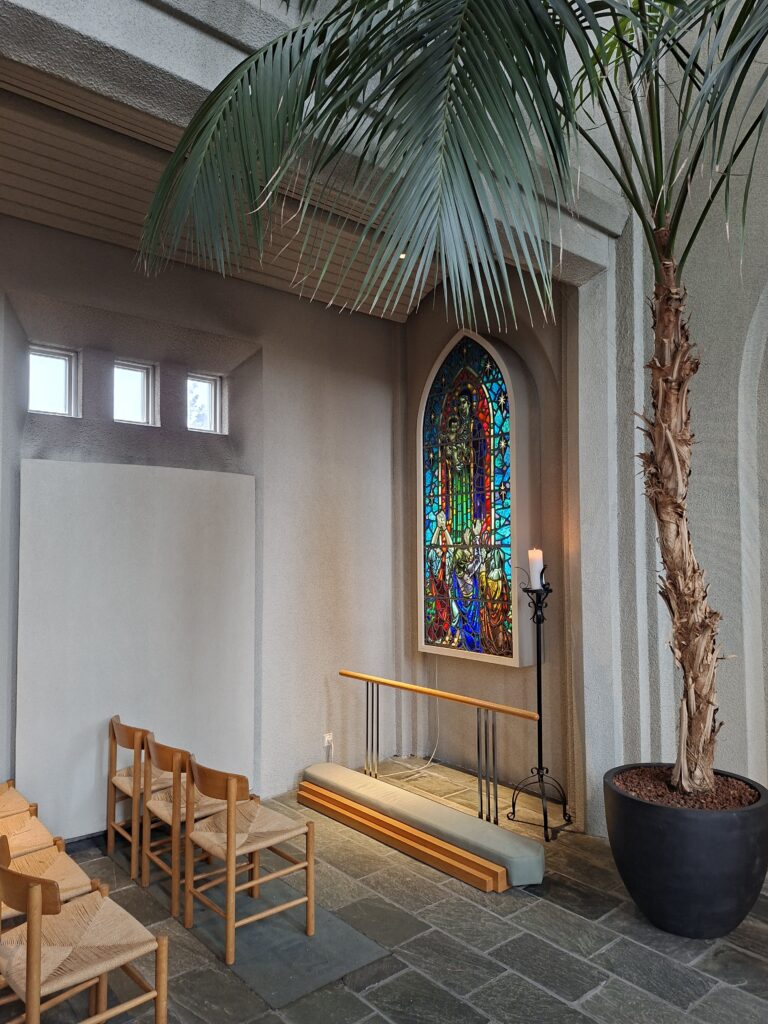
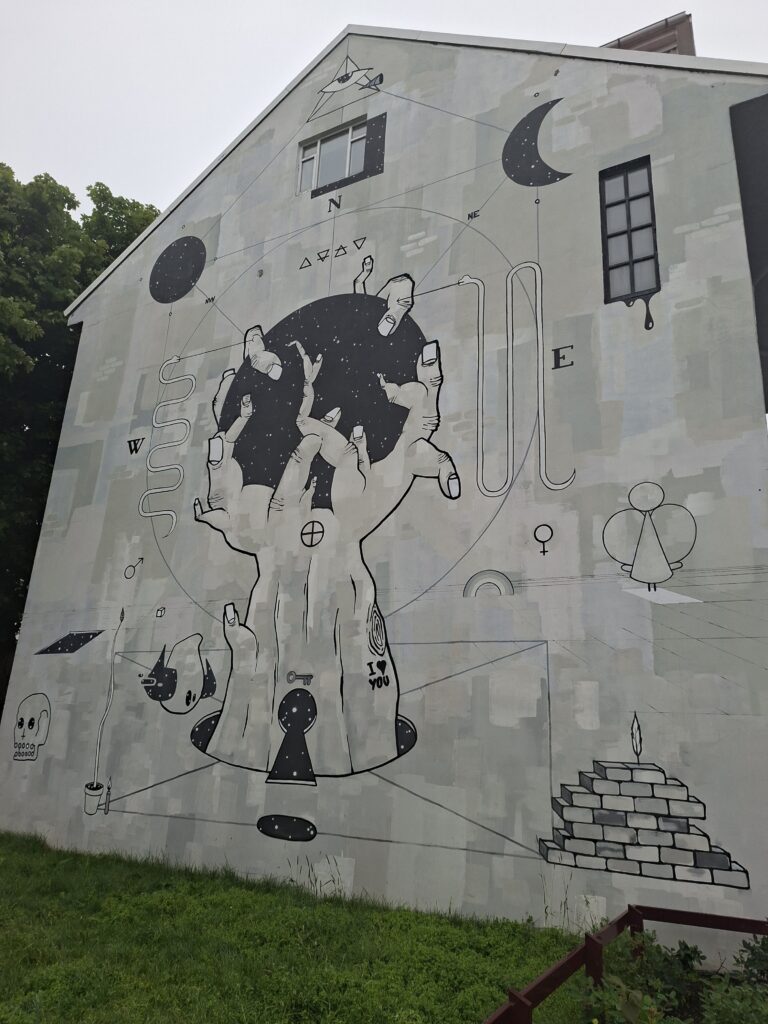
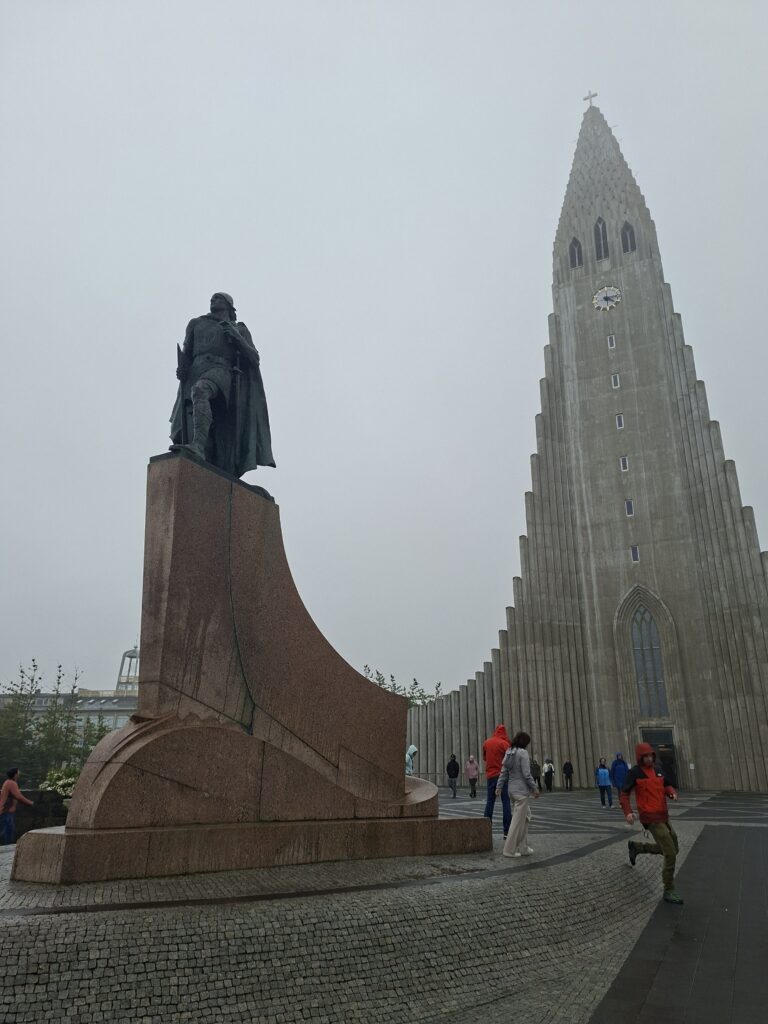
We park near Hallgrímskirkja, the distinctive rocket-shaped parish church, where a helpful local tells me, as I’m trying to decipher the meter, that it’s free to park on Sundays, walk past an intriguing mural in various shades of grey and up to the church itself. Reykjavik cathedral is modest and almost overshadowed by Leifr Eiricsson, the statue of the Norse explorer who discovered America centuries before Columbus but had the good sense to keep it to himself. Touring the church itself takes little time, though it’s impressive in its understated way. It has a single stained-glass window, tucked away in a chapel in the corner and almost overshadowed by a palm tree. The Scottish Presbyterians could take a lesson from their Icelandic brethren in how to do pared-down church interiors without conveying the impression that God is punishing you for having thoughts of sitting comfortably.
We head back to the house and pick up a takeaway to eat in front of the World Cup final between Spain and Argentina. Like most of humanity, we’re rooting for Spain. The food costs the equivalent of £80 for a cheeseburger and two portions of fish and chips: it’s the first time the price of food in Iceland has genuinely made me wince, which given that we’re on to day four is pretty good going. I suspect that Icelanders have deliberately calibrated their currency, the króna, to bamboozle tourists by warping the process of mental arithmetic. Everything costs thousands. It’s like paying in lire in Italy in the pre-euro days: the extra zeroes make everything intimidatingly expensive at first, but as you adjust your perspective, you become almost casual about paying five-figure sums for your groceries. (As a rule of thumb, 8,000 króna is equivalent to €50 or €60, though exchange rates may have shifted by the time you read this). After a few days, the combination of the outlandish amounts and the general disorientation that comes with being on holiday completely detaches you from any sense of what things are actually worth, and you spend money in a mood of carefree suspended animation, trying to suppress any thoughts of the credit card bill that awaits you on your return.